Cowboy Boots and Hat Line Art Embroidery Design
A Clean, Confident Line Art Statement for Boutique Apparel
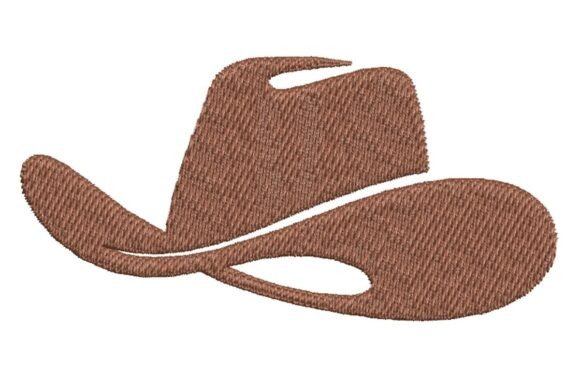
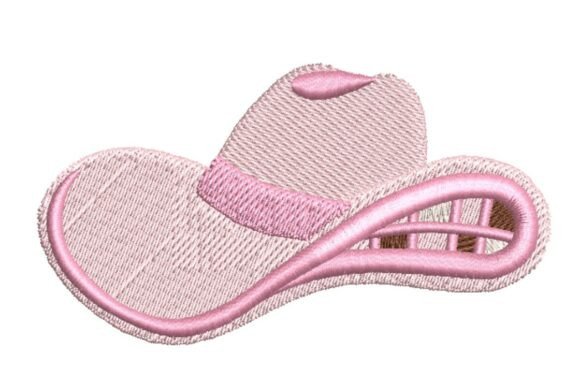
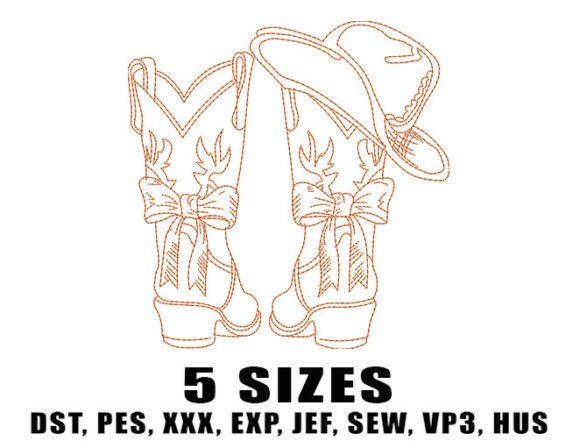
As an embroidery designer who’s developed collections for small clothing brands and Etsy sellers for over twelve years, my first impression of the Cowboy Boots and Hat Line Art Embroidery Design was immediate: it’s quietly confident. This isn’t a busy, fill-the-space motif—it’s a balanced, intentional silhouette with breathing room built in. The boots stand upright and grounded, side-by-side, while the hat rests naturally on the right boot like a thoughtful punctuation mark. There’s no shading, no filler stitches—just clean, continuous line work that reads as both rustic and refined. It leans classic rather than trendy, feminine without being fussy, and minimal without feeling sparse. That balance makes it unusually versatile across apparel categories.
How It Performs Across Real Sweatshirt & Hoodie Projects
For sweatshirt embroidery, this design shines in chest placement—especially on neutral heather grays, oatmeals, and soft blacks. Its open-line structure avoids the heaviness that dense fills can create on thick fleece or French terry. On oversized hoodies, I tested it at 3.5" wide (centered just below the collarbone) and found it scaled beautifully—neither lost nor overwhelming. As a sleeve accent on rolled cuffs? Surprisingly effective: subtle but unmistakably intentional. For back designs, pair it with a short brand name or tagline above or below—the negative space invites typography without competing.
On pastel hoodies (think blush, sage, or sky blue), the design gains gentle charm—ideal for lifestyle-focused boutique brands targeting thoughtful, style-conscious buyers. With dark garments, contrast becomes your strongest ally: try matte black thread on charcoal, or deep navy thread on black for tonal depth. Avoid ultra-thin threads here; a standard 40-weight poly or rayon holds the line integrity best.
Beyond Sweatshirts: Totes, Denim, and Seasonal Layers
The Cowboy Boots and Hat Line Art Embroidery Design transitions effortlessly to other surfaces. On canvas tote bags, it reads cleanly at 4–4.5" wide—large enough to anchor the front panel but not so big it dominates. For denim jackets, place it just above the left chest pocket: the crisp line art complements denim’s texture without fighting it. On cozy seasonal layers—think corduroy vests or brushed cotton flannels—it adds heritage warmth without leaning kitschy.
T-shirts benefit most from mid-chest or upper-back placement. Because it’s line art—not filled—it avoids stiffness on lightweight jersey, especially when paired with tear-away stabilizer and moderate tension. Just avoid placing it directly over seams or darts where fabric distortion could pull the lines out of true.
What Makes It Work for Commercial Embroidery & Small Shop Branding
This design elevates perceived value by signaling intentionality. Buyers recognize when a motif is designed *for* apparel—not just adapted from clip art. The symmetry and proportion of the Cowboy Boots and Hat Line Art Embroidery Design support visual consistency across product photos, printable mockups, and social media graphics. When used repeatedly across a collection—say, on matching sweatshirts, totes, and beanies—it builds quiet brand recognition. No logo needed; the motif itself becomes shorthand for your aesthetic.
Etsy sellers and handmade product creators will appreciate how well it photographs. Its clean edges render sharply in natural light, and it pairs effortlessly with minimalist flat lays or lifestyle shots. It doesn’t demand styling—it enhances it. And because it’s rooted in a universally legible symbol (cowboy heritage), it resonates across audiences without needing explanation.
Smart Placement & Fabric Considerations
Use caution on highly stretchy knits—test first on scrap fabric with your exact garment type. Ribbed fabric (like some sweater knits) can cause subtle line wobble; a light cutaway stabilizer helps maintain definition. On curved surfaces—like the rounded shoulder seam of a raglan hoodie—consider slightly reducing width (by 5–10%) to prevent stretching during hooping.
Avoid tiny lettering inside the boot outlines—this design wasn’t built for interior detail. Its strength lies in its simplicity, not micro-embroidery. Also, double-check hoop size compatibility before digitizing: if you’re using a 4x4 hoop, confirm the design fits comfortably within that boundary—including jump stitches and underlay.
Designer Notes You’ll Want Before Production
- Always test on scrap fabric—especially with your target garment’s exact blend (e.g., 80/20 cotton-poly fleece).
- Match stabilizer to fabric weight: tear-away for stable knits, light cutaway for stretchy or loosely woven fabrics.
- Review thread color contrast carefully—line art relies entirely on visibility, not fill density.
- Compare placement options digitally first: center chest, left chest, sleeve, or back—and visualize how each affects garment balance.
- Confirm file formats, stitch count, and licensing terms directly in the Creative Fabrica listing before producing finished apparel.
Why It Fits Right Into Your Next Collection
The Cowboy Boots and Hat Line Art Embroidery Design isn’t flashy—but that’s precisely why it works so well for custom apparel. It supports your brand voice instead of shouting over it. Whether you’re launching a small shop product line, building a cohesive Etsy store identity, or refreshing a boutique brand’s seasonal offering, this machine embroidery design delivers professional polish without complexity. It’s the kind of embroidery file that makes customers pause—not because it’s loud, but because it feels considered, crafted, and quietly confident. For anyone working with Creative Fabrica embroidery files to build real commercial embroidery products, this one earns a permanent spot in the working library.