Festive Wreath Embroidery Design
A Designer’s First Impression: Timeless, Warm, and Instantly Recognizable
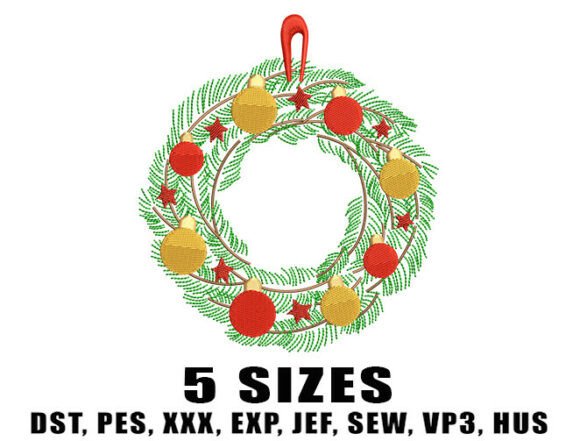
Opening the Festive Wreath Embroidery Design file feels like unwrapping a well-loved ornament box—nostalgic, rich in tradition, and quietly confident. The classic Christmas wreath embroidery design centers on a full, rounded ring of lush greenery, thoughtfully layered with traditional red and gold ornaments and a flowing red ribbon bow. It doesn’t shout; it invites. The mood is cozy and elegant—not overly ornate, not minimalist—but balanced, warm, and emotionally resonant. This isn’t a trendy flash-in-the-pan motif; it’s the kind of seasonal embroidery that feels at home on heirloom-quality kitchen towels and first Christmas onesies alike. Its decorative style leans traditional with subtle dimensionality, making it versatile across age groups, aesthetics, and product categories.
Where This Design Truly Shines in Real Holiday Selling
As an embroidery designer building collections for actual customers—not just portfolios—I’ve tested the Festive Wreath Embroidery Design across high-performing holiday formats. On heavyweight cotton sweatshirts? It anchors front-chest placements beautifully—clean, centered, and gift-ready. On natural linen tote bags? It adds artisanal charm without overwhelming the fabric’s texture. For kitchen towel embroidery, the wreath scales gracefully to 4–5 inches wide, letting the ornaments pop while maintaining stitch integrity through repeated laundering.
This machine embroidery design excels in bundled offerings: pair it with coordinating “Merry” or “Joy” lettering files for personalized gift sets, or use it as the hero motif on pillow covers and aprons for family matching holiday apparel. Etsy sellers will find it especially effective in listings—its strong visual recognition means shoppers instantly grasp the theme, boosting click-throughs. At craft fairs, stitched samples on rustic wood frames or velvet hangers draw attention before a single word is spoken. And for social media previews? The flowing red ribbon provides natural motion—even in static mockups—making it ideal for Instagram carousels and printable promotional graphics.
Smart Placement & Product Pairing Guidance
- Sweatshirt embroidery: Best centered on chest or upper back—avoid shoulder seams where tension distorts stitching.
- Tote bag design: Position mid-panel on natural canvas or heavy twill for crisp definition.
- Kitchen towel embroidery: Place 3–4 inches from top edge; avoid folded hems where hoop clearance is tight.
- Pillow cover: Works flawlessly on 16x16" and 18x18" inserts—centered or bottom-corner for asymmetrical charm.
- Embroidered patch: Clean edges and moderate detail make it highly adaptable for iron-on or sew-on versions.
- Baby items & aprons: Scales down reliably to 3 inches—ideal for onesies, bibs, and chef-style aprons.
Where to Proceed With Intentional Care
The Festive Wreath Embroidery Design delivers consistent results—but like all quality holiday embroidery, it rewards thoughtful execution. Avoid pushing it into ultra-small hoop sizes (under 3.5") unless you’ve verified stitch density won’t compromise ornament clarity. On thick terry cloth towels or dense quilting cotton, use cutaway stabilizer—not tear-away—to prevent puckering around the wreath’s outer ring. Metallic thread is tempting for those gold ornaments, but test extensively: some machines struggle with tension shifts, and wear resistance drops significantly. For stretchy garments (like ribbed knit baby blankets), add lightweight fusible backing *before* hooping to stabilize the greenery base.
Dark fabric demands special attention: confirm thread colors contrast clearly—not just on screen, but stitched on black or navy cotton. Curved surfaces (like baseball caps) require repositioning the design lower on the front panel and using a cap frame to maintain shape fidelity. And remember—every finished product meant for gifting or resale must withstand real-world use: repeated washing, folding, and handling. Always run a test stitch on fabric scraps that match your final product’s weight and weave.
Why This Design Strengthens Your Seasonal Strategy
Holiday shoppers don’t just buy products—they buy feelings, memories, and intention. The Festive Wreath Embroidery Design taps directly into that emotional current. Its familiarity builds instant trust; its craftsmanship elevates perceived value. When customers see this wreath on a handmade gift or personalized gift tag, they recognize care—not just decoration. That translates to higher cart values, stronger brand consistency across your small shop product line, and repeat engagement during peak shopping windows.
Visually, it’s distinctive without being obscure—ideal for cohesive collections. Use it as your anchor motif, then extend with complementary digital embroidery files: simple holly sprigs, monogrammed initials, or “2024” date accents. This creates depth without diluting impact. And because it’s rooted in tradition—not fleeting trends—it remains relevant year after year, reducing seasonal redesign fatigue for Etsy sellers and craft-based businesses alike.
Practical Designer Notes Before You Stitch
- Always test thread colors on both light and dark fabric swatches—red and gold behave differently on ivory linen versus charcoal fleece.
- Review stitch density: if the original file feels dense for your fabric type, adjust underlay or reduce fill angles slightly—don’t sacrifice coverage for speed.
- Confirm hoop size compatibility before digitizing adjustments—some versions may require 5x7" minimum.
- Use appropriate stabilizer: cutaway for knits and towels, tear-away for stable wovens like cotton poplin.
- Create realistic mockups—not just flat PNGs—using fabric-textured templates to preview how the wreath interacts with garment drape and seam lines.
- Inspect small details post-stitch: ensure ornament highlights are legible and the ribbon ends flow naturally—not stiff or truncated.
- Plan your full color palette in advance: coordinate thread shades with packaging, tags, and social assets for unified holiday branding.
- Verify commercial licensing terms before selling finished products—this is essential for any digital embroidery file used in small business production.